
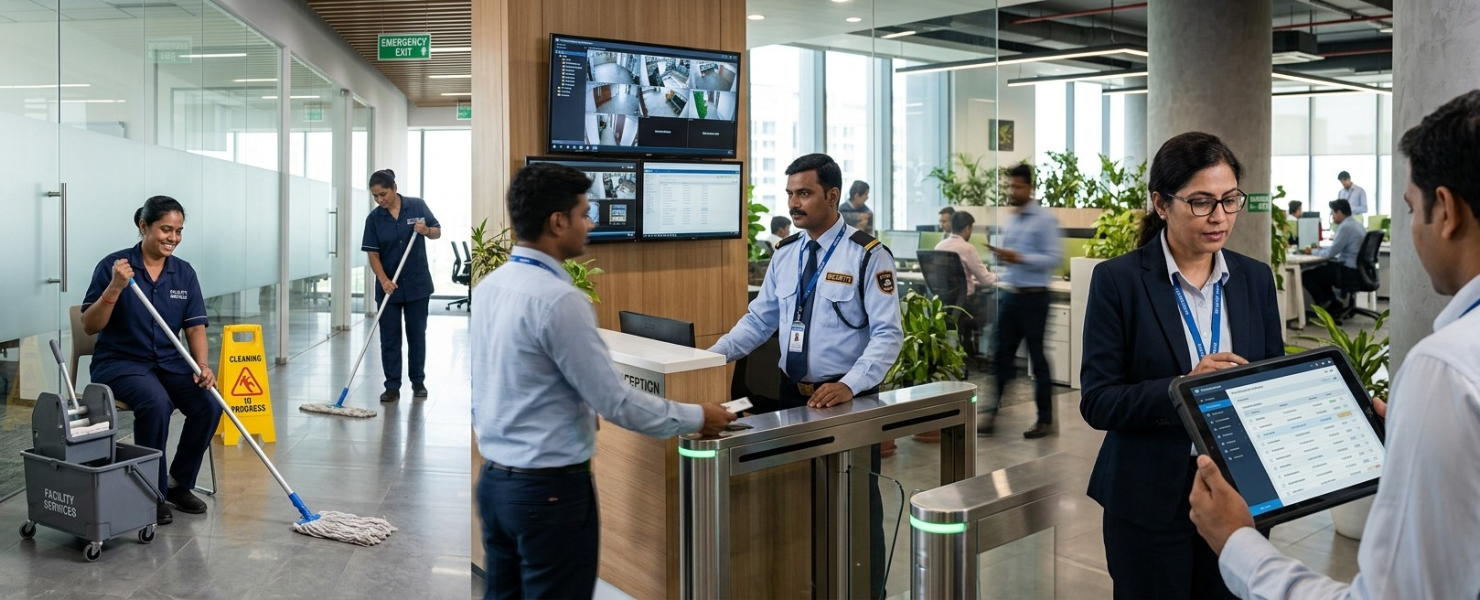
In todays paced business world companies need to run their operations smoothly while keeping their workplaces safe, comfortable and productive for employees and visitors. Managing service providers for things like security, cleaning and maintenance can be tough and time-consuming. That is where Integrated Facility Management comes in. By putting all facility services under one management system businesses can simplify their operations improve service quality and focus on their goals.
As workplaces change the need for facility operations has grown a lot. Companies no longer see facility management as a support function. As a key business tool that helps with productivity, employee satisfaction and long-term growth. Integrated Facility Management helps organizations achieve these goals by creating an approach to managing workplace services. Integrated Facility Management is important for businesses because it helps them run their operations smoothly.
What is Integrated Facility Management?
Integrated Facility Management is an approach that combines all facility-related services under one service provider or management system. Of working with separate vendors for things like cleaning, security and maintenance businesses can rely on a single facility management partner to oversee all operational requirements. This means that Integrated Facility Management is a way for companies to manage their facilities in a way.
This integrated model improves communication makes people more accountable and ensures that all facility services work together seamlessly. The main goal of Integrated Facility Management is to create a maintained workplace while optimizing operational costs and resources. By centralizing facility operations businesses gain visibility into performance faster response times and consistent service delivery across all functions. Integrated Facility Management is a part of running a successful business.
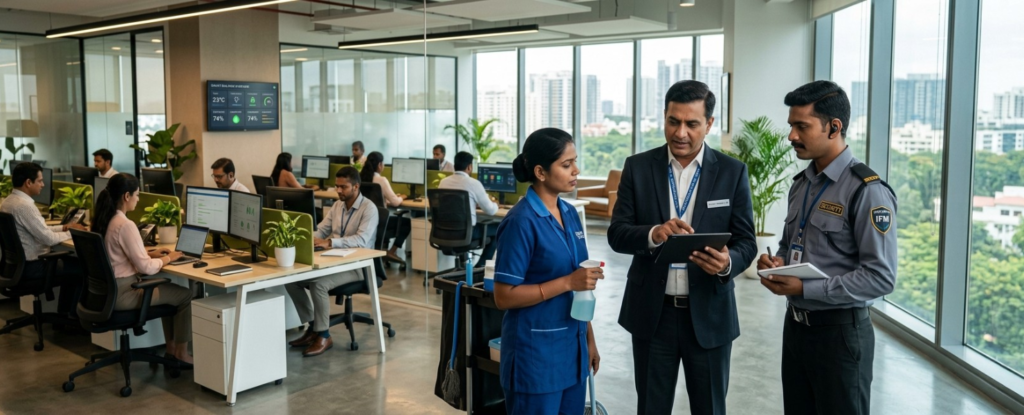
Why Integrated Facility Management is Important for Modern Businesses
As businesses grow workplace operations become more complex. Dealing with vendors, inconsistent service standards and fragmented communication can lead to inefficiencies that affect business performance. Integrated Facility Management addresses these challenges by creating a system that ensures all services are aligned with goals. Integrated Facility Management is important for businesses because it helps them manage their facilities in a better way.
A managed facility directly affects employee productivity, customer experience and operational continuity. Employees work better in environments that’re clean secure and well-maintained. Similarly visitors and clients form impressions when facilities are professionally managed. Integrated Facility Management enables organizations to maintain standards across every aspect of the workplace while reducing burdens on teams. This is why Integrated Facility Management is so important for businesses.
Key Components of Integrated Facility Management
Soft Services Management
Soft services focus on creating a welcoming environment for employees and visitors. These services are essential for supporting daily workplace operations and enhancing the workplace experience. Soft services are a part of Integrated Facility Management.
Cleaning services are one of the components of facility management. A clean workplace not looks good but also helps employees stay healthy and productive. Cleaning is a part of Integrated Facility Management.
Security management is another aspect of services. Businesses must protect employees, visitors and valuable assets from threats. Security is a part of Integrated Facility Management.
Hard Services Management
Hard services involve the maintenance and management of infrastructure and technical systems within a facility. These services are essential for ensuring the operation of business facilities. Hard services are a part of Integrated Facility Management.
Electrical maintenance plays a role in preventing system failures and ensuring workplace safety. Electrical maintenance is a part of Integrated Facility Management.
Heating, ventilation and air conditioning management is equally important in office environments where employee comfort significantly impacts productivity. Heating, ventilation and air conditioning management is a part of Integrated Facility Management.
Workplace Support Services
In addition to maintenance and operational services Integrated Facility Management includes workplace support functions that enhance employee experience and day-to-day business operations. Workplace support services are a part of Integrated Facility Management.
Reception and visitor management services help create impressions while ensuring smooth access control procedures. Reception and visitor management services are a part of Integrated Facility Management.
Pantry management and hospitality services support employee comfort and satisfaction. Pantry management and hospitality services are a part of Integrated Facility Management.
Benefits of Integrated Facility Management
Improved Operational Efficiency
One of the benefits of Integrated Facility Management’s improved operational efficiency. When multiple facility services are managed through a provider communication becomes more streamlined and coordination improves significantly. Integrated Facility Management helps businesses run their operations efficiently.
Cost Optimization
Managing several vendors often results in overlapping services, duplicate processes and increased administrative costs. Integrated Facility Management eliminates these inefficiencies by consolidating services under one management framework. Integrated Facility Management helps businesses save money.
Enhanced Workplace Experience
Employees spend a lot of time at work. A clean and well-maintained facility contributes to employee satisfaction and productivity. Integrated Facility Management helps create a workplace experience for employees.
Better Compliance and Risk Management
Organizations must follow safety, environmental and regulatory standards. Integrated Facility Management providers implement compliance programs conduct audits and ensure adherence to industry regulations. Integrated Facility Management helps businesses comply with regulations.
The Role of Technology in Integrated Facility Management
Technology is a driver of Integrated Facility Management strategies. Advanced digital tools allow facility managers to monitor operations analyze performance data and make decisions in time. Technology plays a role in Integrated Facility Management.
Industries That Benefit from Integrated Facility Management
Integrated Facility Management is useful for industries. Corporate offices, manufacturing facilities, healthcare institutions and educational institutions all benefit from Integrated Facility Management. Many types of businesses can use Integrated Facility Management.
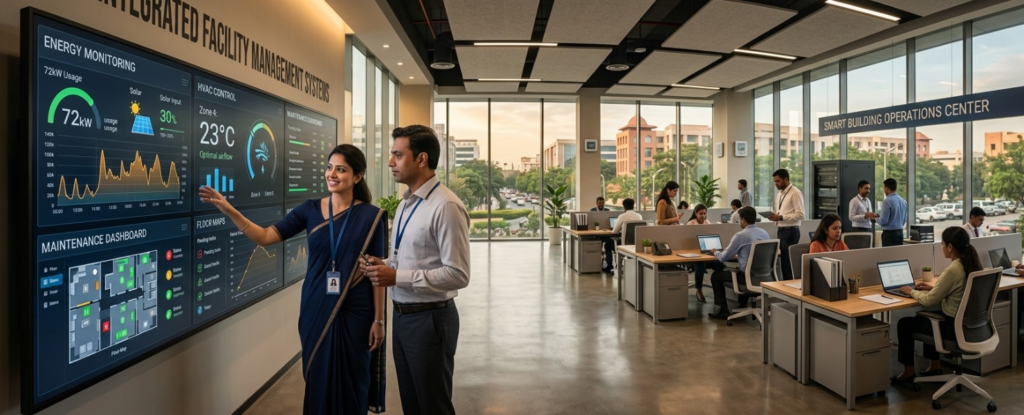
How to Choose the Right Integrated Facility Management Partner
Choosing the facility management partner is a decision that can significantly impact business performance. Organizations should look for providers with proven industry experience, comprehensive service capabilities and a strong commitment to quality and compliance. Choosing the right Integrated Facility Management partner is important for businesses.
The Future of Integrated Facility Management
The future of Integrated Facility Management is being shaped by innovation, sustainability and changing workplace expectations. Businesses are increasingly focusing on creating employee- environments while reducing their environmental impact and improving operational resilience. The future of Integrated Facility Management is exciting.
Conclusion
Integrated Facility Management is not about taking care of buildings. It is a way for companies to run their businesses better.
These days companies need to be really good at what they do to succeed. If they use Integrated Facility Management they can make their workplaces safe, productive and good for the environment. Integrated Facility Management is a part of running a successful business.
FAQs
What is Integrated Facility Management?
Integrated Facility Management means one company or team takes care of everything in a building. This includes cleaning, security and repairs. Integrated Facility Management is a way for companies to manage their facilities.
What are the benefits of Integrated Facility Management?
Integrated Facility Management helps companies work better save money make their workplaces nicer follow the rules and deal with vendors. The benefits of Integrated Facility Management are many.
What kinds of businesses can use Integrated Facility Management?
Many types of businesses can use Integrated Facility Management. These include offices, factories and hospitals. Schools, stores and rented buildings can also use it. Even companies that transport goods can benefit from it. Integrated Facility Management is useful for types of businesses.
How does technology help with Integrated Facility Management?
Technology plays a role. It helps companies monitor their facilities. This way they can fix problems before they become issues. It also helps save energy. Companies can keep track of their resources. They can make decisions. This makes the company run smoothly. Technology is a part of Integrated Facility Management.
Why should companies choose an Integrated Facility Management company?
Choosing an Integrated Facility Management company can simplify things. It reduces paperwork. The services become better. Companies can focus on their core business. This is because the facility management company has a lot of experience. They know how to handle building maintenance and related tasks. Choosing the right Integrated Facility Management partner is important, for businesses.
